
Electronics manufacturers must brace for unprecedented upheaval in global supply chains despite Trump’s recent tariff climbdown in Davos, according to a UK sustainable technology company.
Emma Armstrong, Sustainable Electronics Ambassador at In2tec, says the sector, reliant on imported components, must treat supply chain resilience and component security as a priority.
“The certainties that once underpinned our sector can no longer be taken for granted, despite Trump dropping plans to impose tariffs on European countries that oppose his ambitions for America to acquire Greenland,” she said.
“Keeping tabs on rising costs and material shortages as the geopolitical climate fluctuates is no longer enough. OEMs need to begin a fundamental realignment of operations that allow them to reduce their reliance on volatile international supply chains.
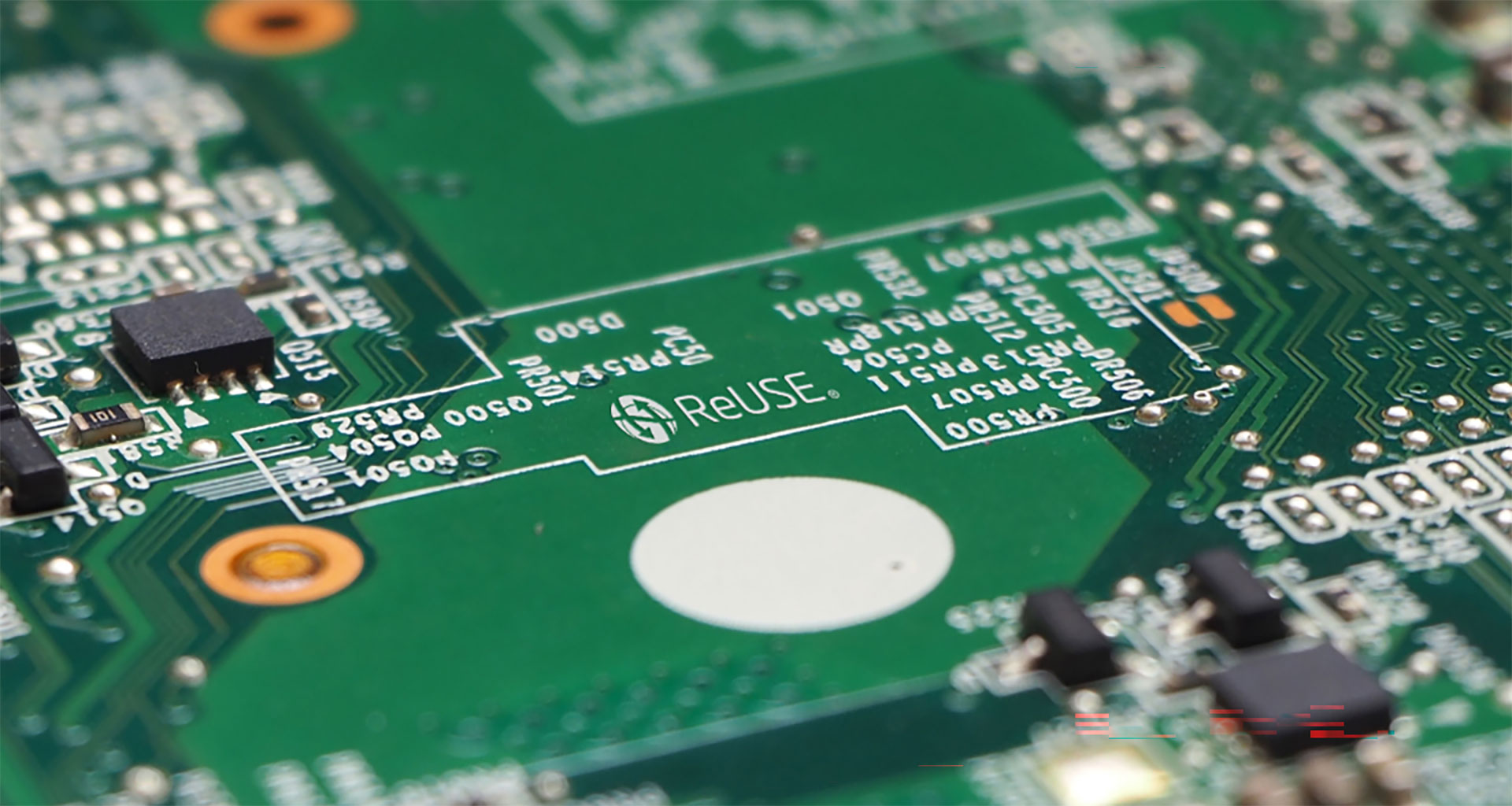
“Sustainability has for too long been treated as a box-ticking green initiative to put in the brochure and on the website, yet component reuse is now an important strategic issue for manufacturing, much in the same way the UK is investing in renewable energy to reduce its exposure to global price upheavals, such as the invasion of Ukraine.”
Her comments come as Canadian Prime Minister Mark Carney told Davos attendees the “old order is not coming back” and the world is “in the midst of a rupture, not a transition”. He added: “Great powers have begun using economic integration as weapons, tariffs as leverage, financial infrastructure as coercion, supply chains as vulnerabilities to be exploited.”
Armstrong added: “We must no longer assume that the good faith, rationality, and common sense so many of us rely on will win out. Modular components and repairable and recyclable tech can strengthen domestic supply chains while accelerating the transition to more sustainable electronics.”