
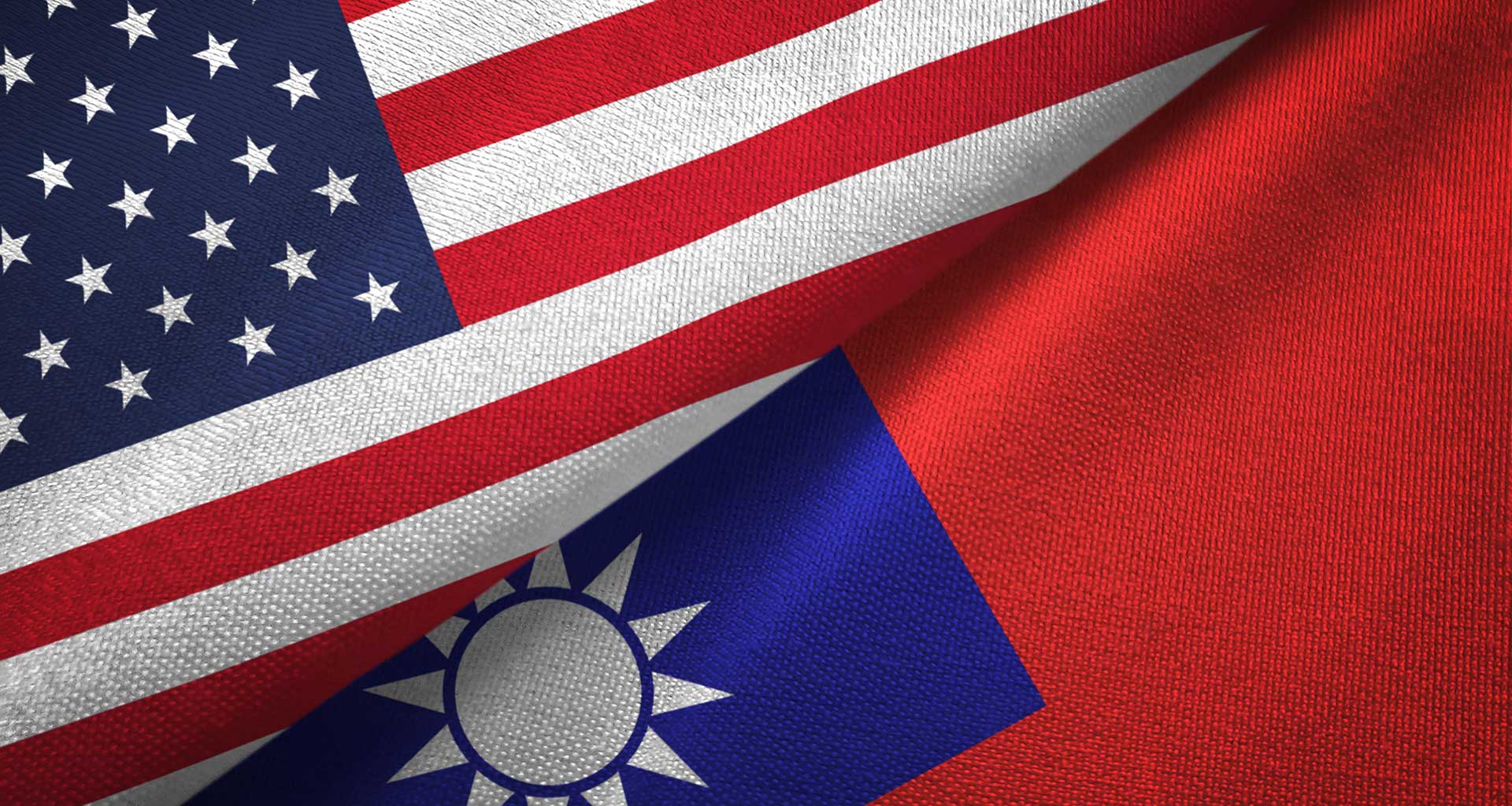
Taiwan and the US have entered into a strategic partnership that will bring more production and innovation capacity into the United States.
The agreement can be broken down into three parts:
- Direct investments: Taiwanese semiconductor and technology enterprises will make new, direct investments totalling at least $250 billion to build and expand advanced semiconductor, energy, and artificial intelligence production and innovation capacity in the United States
- Additional investments: Taiwan will provide credit guarantees of at least $250 billion to facilitate additional investment by Taiwanese enterprises, supporting the establishment and expansion of the full semiconductor supply chain and ecosystem in the United States
- Industrial clusters: the United States and Taiwan will establish world-class industrial parks in the United States to strengthen America’s industrial infrastructure and position the United States as the global centre for next-generation technology, advanced manufacturing, and innovation
Taiwan will also facilitate US investment in the Taiwanese semiconductor, AI, defence technology, telecommunications, and biotechnology industries to expand market access for American companies and deepen technological collaboration.
“Semiconductors are vital for America’s industrial, technological, and military strength. Yet, for far too long, the Washington establishment allowed this strategic sector to move offshore, leaving the United States dependent on foreign manufacturers and brittle global supply chains. The Trump Administration is committed to reversing that trend,” the Department of Commerce has said.
The agreement will enhance balanced trade through a specific tariff framework. The tariff rate applied to Taiwanese goods will be no more than 15% and future duties applied to Taiwanese semiconductors will reward Taiwanese semiconductor producers that invest in the United States.
Taiwanese companies building new US semiconductor capacity may import up to 2.5 times that planned capacity without paying Section 232 duties during the approved construction period, with a lower preferential Section 232 rate for above-quota imports.
Also, Taiwanese companies who have completed new chip production projects in the United States will still be able to import 1.5 times their new US production capacity without paying Section 232 duties.
Commerce Secretary Howard Lutnick told CNBC that TSMC has brought land and could expand in Arizona as part of this deal.
A TSMC spokesperson told CNBC that “all the investment decisions are based on market conditions and customer demands.”
The US’s share of global wafer fabrication declined sharply from 37% in 1990 to less than 10% in 2024. Today, most semiconductors are fabricated in East Asia due to foreign industrial policies that distort global trade flows.
President Trump’s Commerce Department is leading a massive effort to revitalise American semiconductor manufacturing and this trade deal is just one of the ways they’re attempting to do so.