





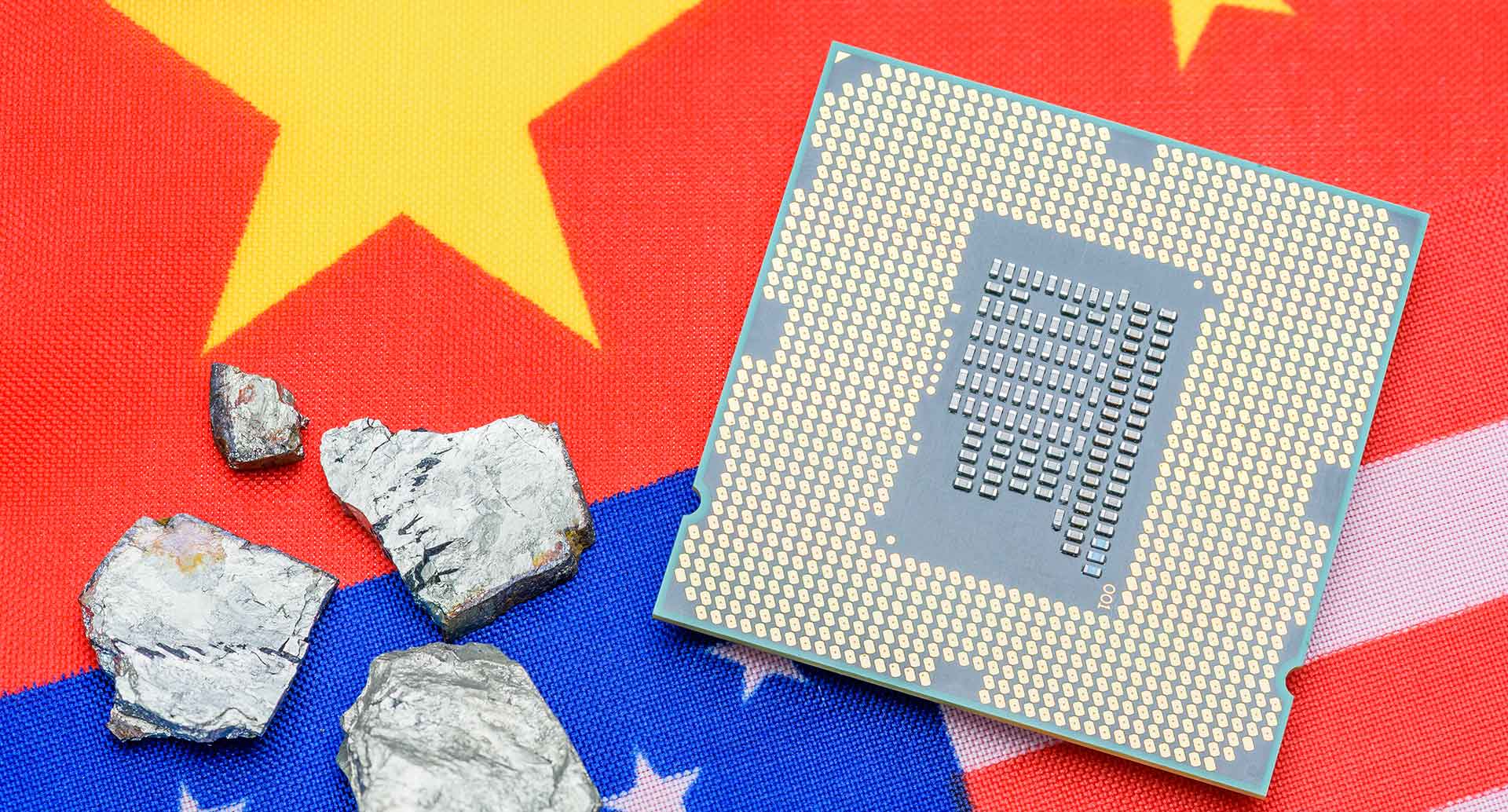
China is set to ease restrictions on the export of automotive computer chips that are vital to global car production, following a new trade and economic agreement reached with the United States.
The White House confirms the development after President Donald Trump and President Xi Jinping met in South Korea this week.
According to the White House, the deal represents a comprehensive effort to stabilise economic relations while addressing concerns around supply chains, semiconductors, and critical materials. It follows months of escalating trade friction and export controls that have disrupted several sectors, including automotive manufacturing and advanced electronics.
Under the agreement, China plans to take multiple steps aimed at restoring trade flows and easing tensions. Among the key measures, Beijing will suspend the global rollout of export restrictions on rare earths and other critical minerals announced on 9th October 2025. It will also issue general export licences for materials such as gallium, germanium, antimony, graphite, and rare earths – effectively removing controls imposed in April 2025 and October 2022.
Crucially for the electronics and automotive industries, China will take action to ensure the resumption of trade from Nexperia’s Chinese facilities. This move enables the supply of legacy chips essential to vehicle production worldwide, many of which had faced delays following the country’s export restrictions earlier in the year.
The agreement also includes commitments by China to end retaliatory measures targeting US semiconductor manufacturers and other major firms. In addition, China will suspend tariffs and non-tariff barriers imposed since March 2025, while pledging to halt investigations into US companies in the semiconductor supply chain.
In exchange, the United States will lower some tariffs on Chinese imports that were previously introduced to curb the flow of fentanyl-related chemicals. The US will also suspend the implementation of certain trade measures for one year, including the expansion of end-user controls and actions under the Section 301 investigation into China’s maritime and shipbuilding sectors.
The White House describes the outcome as part of a broader set of trade achievements during President Trump’s visit to Asia. Alongside the China deal, the US finalises new reciprocal trade agreements with Malaysia and Cambodia, establishes frameworks with Thailand and Vietnam, and signs critical mineral cooperation deals with both Thailand and Malaysia.
In Japan, the US secures commitments tied to a previous $550 billion investment pledge, signs a minerals agreement, and deepens cooperation on energy and anti-drug initiatives. Meanwhile, in South Korea, discussions focus on technology leadership, maritime collaboration, and expanding energy partnerships.
The easing of China’s export ban on automotive semiconductors is expected to relieve pressure on global carmakers that have faced persistent component shortages since the height of the chip crisis. Industry observers note that the resumption of chip flows from Nexperia’s Chinese operations could help stabilise production lines in both North America and Europe.