
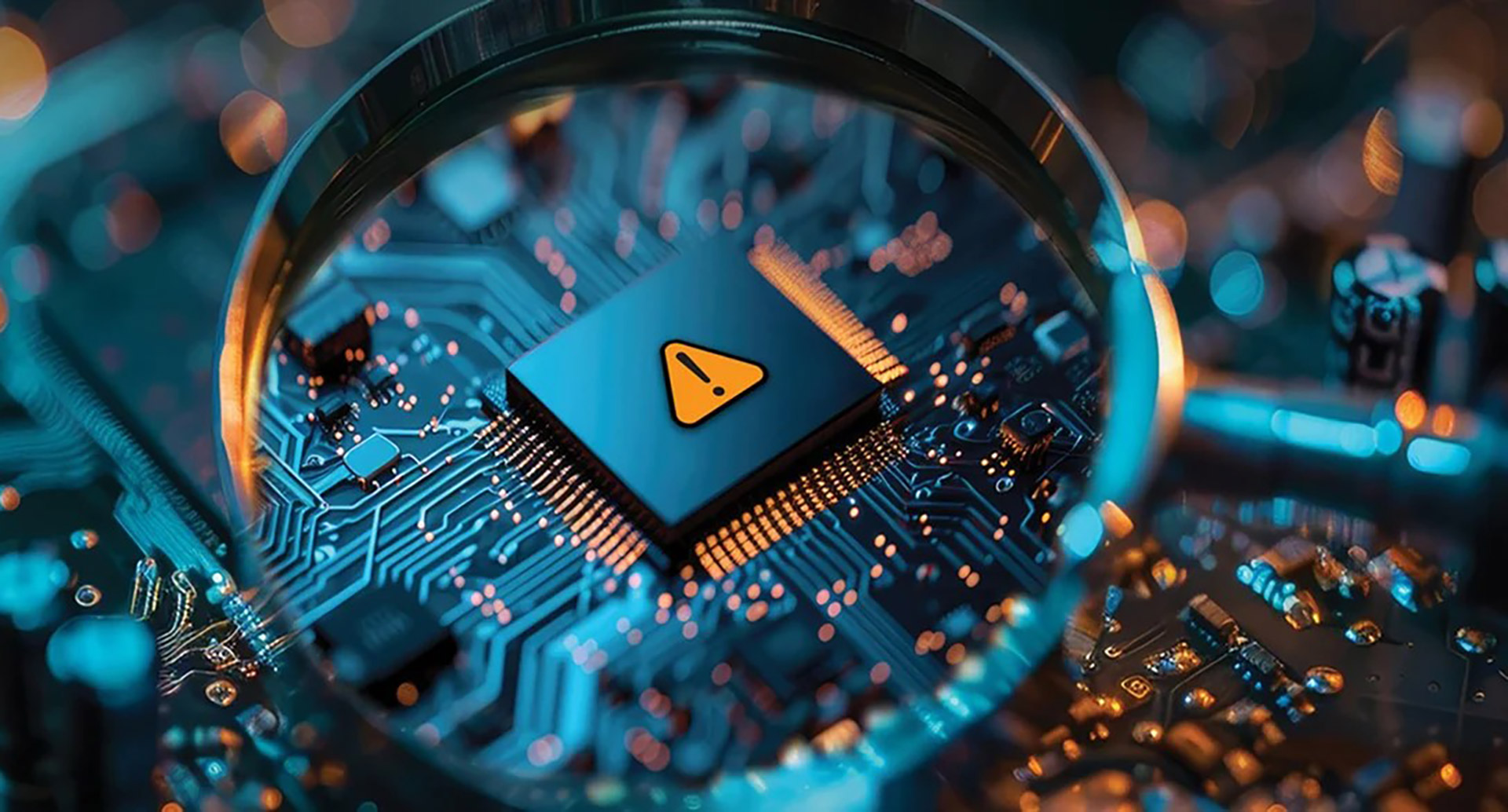
Rapid technological advancement – particularly driven by AI – has created challenges for long-lifecycle applications in sectors such as industrial, medical, and avionics. These markets often struggle to balance the benefits of innovation with the need for proven, stable components, and extended product lifespans. Design cycles, qualification requirements, and reliability demands make frequent technology transitions costly and impractical. Rochester Electronics explores these challenges and outlines strategies to mitigate technology displacement, manage lifecycle risks, and ensure long-term product availability through trusted industry partnerships and supply chain insights.
2024 was a record year for the semiconductor industry, with most growth driven by artificial intelligence (AI) applications. As this need rose, so did the demand for high-performance processors, mainly centred on GPUs, high bandwidth memory, and data-centre-centric networking and storage devices. While there is always a push to adopt new technologies, many long-lifecycle applications do not require it. Before adoption, it is critical to understand an application’s design cycle and lifecycle requirements, as well as the stability of new technologies, and to establish partnerships to navigate technological transitions seamlessly.
A closer look shows a large majority of the industry market saw little growth or, in some instances, a decline. Inventory adjustments from the previous overstock have been resolved, but more traditional and long-lifecycle markets still face uncertainty.
Traditional electronics sectors like industrial, medical, and avionics face challenging decisions, as many technological advancements are in a state of transition. Adoption risk depends on variables such as market segment and the final application. Customers need to understand the stability of new technologies, the time requirements of the new design cycle, and the life expectancy of existing products. As new device technologies mature, customers must be cognisant of the potential displacement of existing technology.
As new device technologies are introduced, adoption occurs in phases:
- Leading-edge applications with dynamic lifecycles are the first to take advantage of new technologies and will adjust as they mature
- Traditional customers adopt when suppliers bring new devices into their mainstream product lines
- Customers with long design cycles and extended product lifecycles are often the last to adopt new technologies, as redesigns and re-qualifications can be costly and time-consuming
This third type of customer faces the greatest lifecycle management challenge due to high-reliability requirements and the need for agency certifications that mandate proven device stability. Costs associated with revisions and changes during the mid-to-late stages of the design cycle can be substantial, significantly delaying time to market. These customers must also ensure the ongoing viability of their existing products.
From a lifecycle management perspective, concerns arise when new device technologies displace established ones. As newer products drive higher volumes, suppliers will shift resources. Over time, maintaining older, lower-volume devices will affect production and finances. The timeframe for these changes can vary from several years to over a decade.
Consider Ethernet for automotive and industrial applications, for example. The development of Single Pair Ethernet aided its adoption, and it currently coexists with serial technologies such as CANbus and the various RS232/422/485 interfaces. However, as automotive applications become more data-intensive and as Industry 4.0 becomes more widely adopted, legacy serial technologies are being phased out. As volumes decrease, suppliers refocus their product lines, leading to challenging decisions about ongoing production.
Changes and obsolescence occur over time, and customers must monitor these changes with partnerships to mitigate the impact. Rochester Electronics continually works with customers and suppliers to monitor ongoing trends, maintain inventory of obsolete products, and extend the lifecycle of products that would otherwise be unavailable.
Rochester is the world’s leading authorised after-market semiconductor supplier. Trusted by major manufacturers, Rochester can provide ongoing component availability after the normal end-oflife (EOL) and offer unique insight into industry-wide technology trends in wafer fabrication and IC-packaging supply chains.
Through comprehensive market analysis, Rochester offers customers a unique perspective on component risk assessment. Our expert team provides independent advice, adding an extra layer of protection to help businesses mitigate risks and avoid costly production or support terminations due to obsolescence. By leveraging our market-wide view, we empower customers to make informed decisions and ensure seamless operations. For more information visit: www.rocelec.com
This article originally appeared in the July/August issue of Procurement Pro.