
Paige Hookway, Managing Editor of Procurement Pro has compiled a list of famous modern engineers who achievements have made notable impact on the world as we know it.
1. Jensen Huang
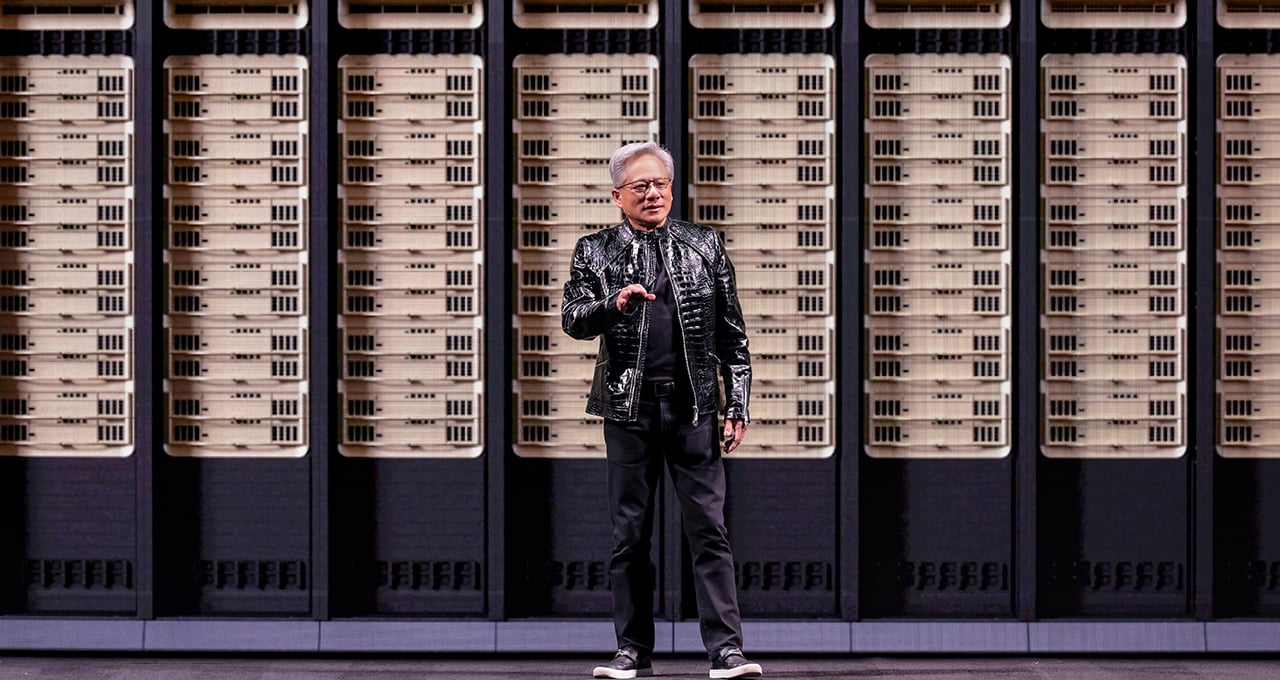
Jensen Huang is the Co-Founder and CEO of NVIDIA and holds a degree in electrical engineering. He co-founded the company in 1993 with a focus on graphics acceleration, initially targeting the PC gaming market. His early engineering work centres on exploiting parallel processing to handle complex visual workloads more efficiently than traditional CPUs.
Under his technical and strategic direction, NVIDIA has evolved GPUs into general-purpose parallel processors. This shift underpins the widespread adoption of GPUs in high-performance computing, AI training, and inference workloads. The CUDA programming model plays a key role in enabling software developers to access GPU acceleration for scientific, industrial, and data centre applications.
Huang is also closely associated with system-level engineering initiatives spanning automotive compute, digital twins, and accelerated networking. His work links silicon architecture, software platforms, and system integration, influencing how large-scale AI and simulation infrastructures are designed and deployed.
2. Lisa Su
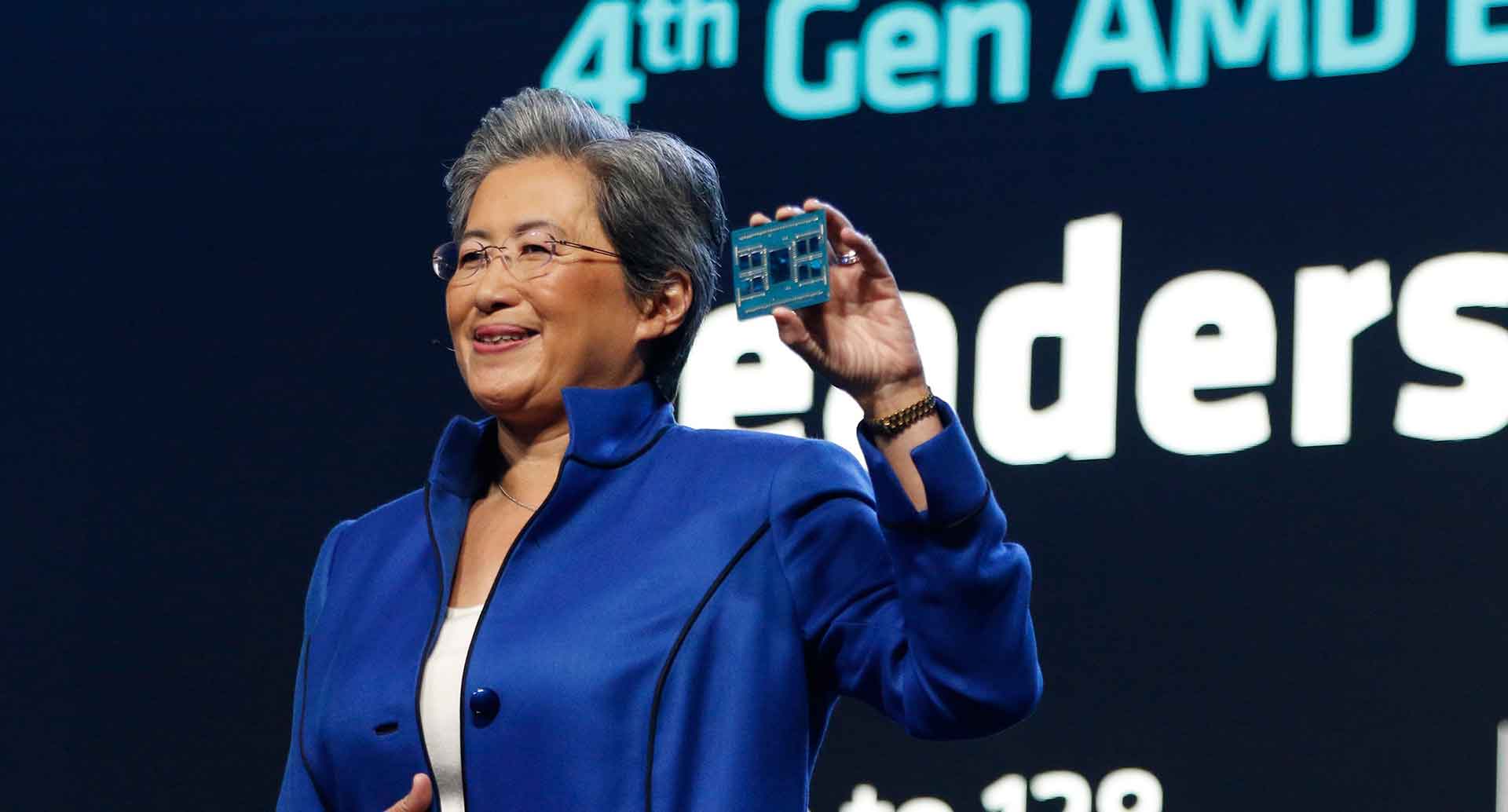
Lisa Su is the Chair and CEO of AMD and holds a PhD in electrical engineering. Her technical background includes semiconductor research, advanced packaging, and silicon design, with early career experience in R&D and engineering leadership roles. She maintains a strong emphasis on engineering-led decision-making within product development.
At AMD, Su is closely involved in the technical strategy behind high-performance CPUs and GPUs for consumer, enterprise, and embedded markets. She plays a key role in advancing chiplet-based architectures, which improve scalability, yield, and performance per watt. These designs influence modern processor development across the semiconductor industry.
Her work also extends to heterogeneous computing, combining CPUs, GPUs, and accelerators within coherent platforms. This approach supports workloads in Cloud computing, AI, and high-performance embedded systems, with a focus on energy efficiency and long-term architectural roadmaps.
3. Jim Keller
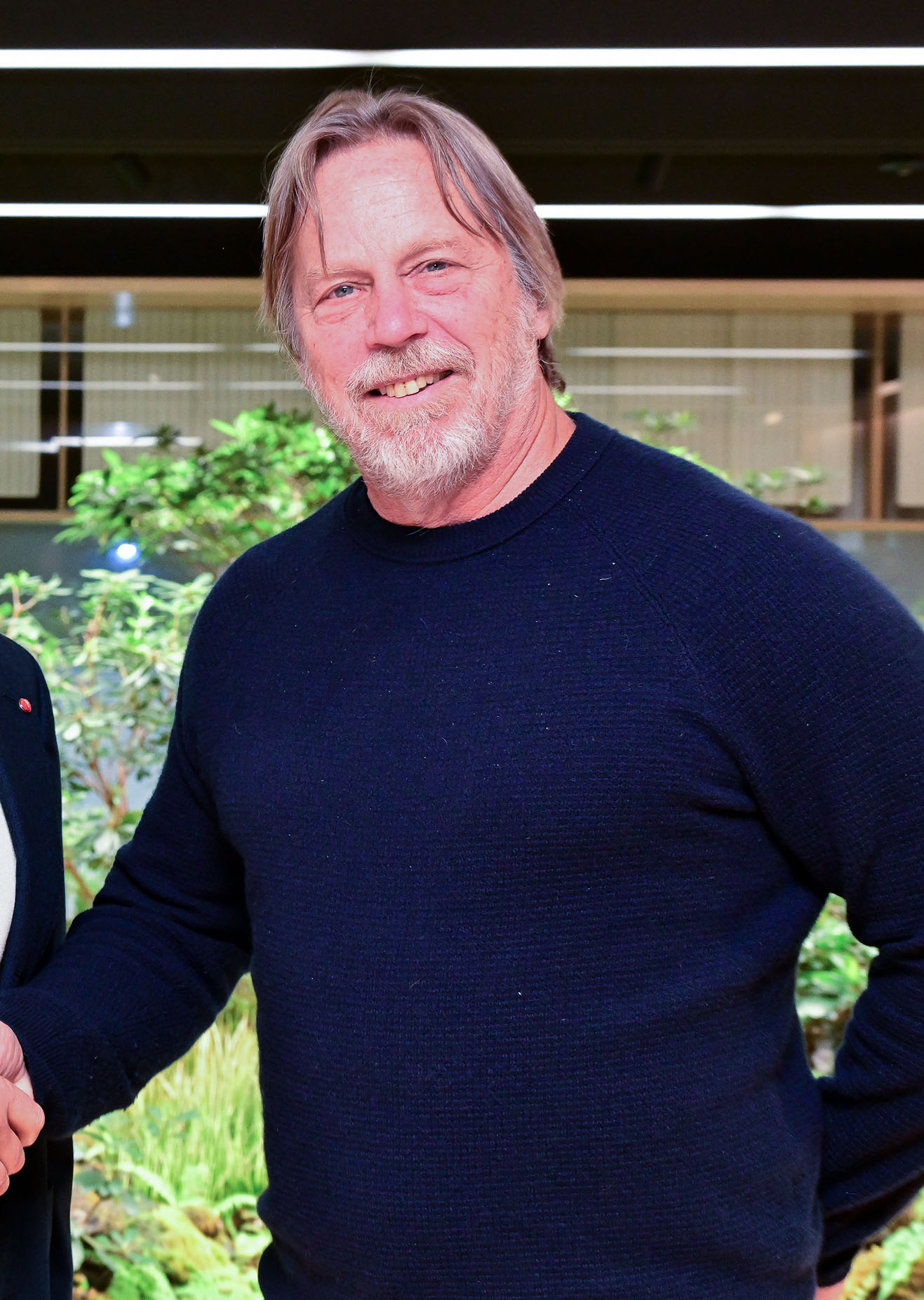
Jim Keller is a microprocessor architect with decades of experience in CPU design and silicon strategy. He is known for hands-on involvement in architecture definition, pipeline design, and performance optimisation. His background spans multiple generations of processors across consumer, enterprise, and embedded markets.
Keller contributes to the development of high-performance CPU architectures that emphasise simplicity, scalability, and efficiency. His work often focuses on performance per watt rather than raw frequency gains, aligning with modern constraints in power, thermal management, and manufacturing complexity.
In recent roles at Apple, AMD, and Tesla, he engages with broader system-level challenges, including custom silicon, AI accelerators, and long-term compute architectures. His influence is evident in how engineering teams balance architectural ambition with practical implementation in advanced process nodes.
4. Demis Hassabis
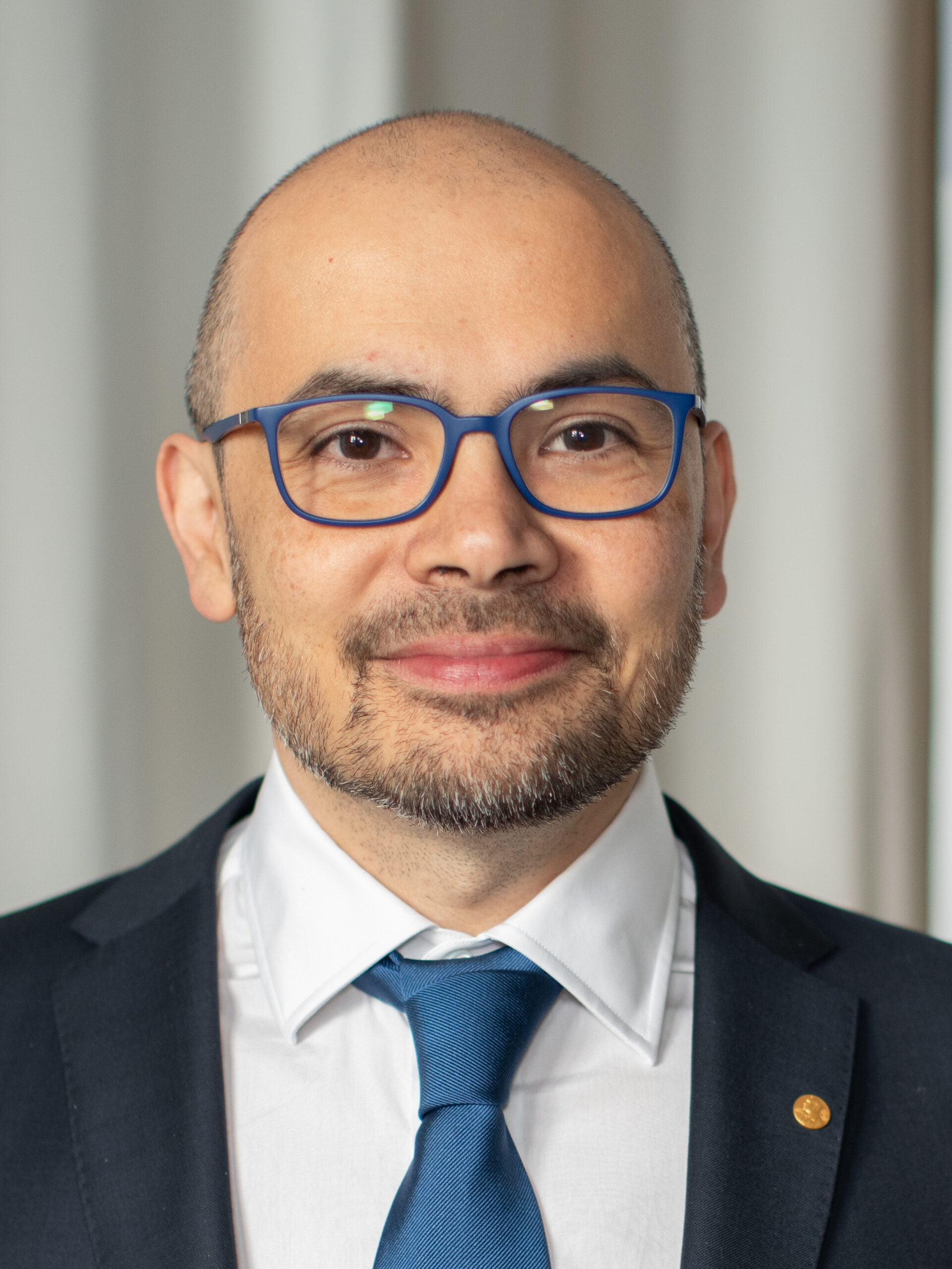
Demis Hassabis is an AI researcher and Co-Founder of DeepMind, with an academic background spanning neuroscience, computer science, and cognitive science. His engineering focus lies in building large-scale AI systems inspired by human learning and reasoning. He works at the intersection of software engineering, research infrastructure, and applied AI.
He is closely associated with the development of deep reinforcement learning systems and large neural networks trained on specialised hardware platforms. These systems require significant advances in distributed computing, data handling, and optimisation techniques to operate at scale.
One of his most visible engineering achievements involves applying AI models to scientific problems, including protein structure prediction. This work demonstrates how advanced algorithms, supported by high-performance compute infrastructure, can address long-standing challenges in biology and materials science.
5. Elon Musk
Elon Musk is an engineer and technology executive involved in aerospace, automotive, and energy systems. He holds formal training in physics and engineering and is directly engaged in technical decision-making across multiple engineering-driven organisations. His work emphasises first-principles analysis and system-level optimisation.
In aerospace, he is associated with the engineering of reusable launch vehicles, focusing on propulsion, materials, avionics, and manufacturing processes. These efforts aim to reduce launch costs through iterative design, vertical integration, and rapid testing cycles.
In the automotive and energy sectors, his engineering involvement centres on electric powertrains, battery systems, and large-scale manufacturing automation. His approach links hardware design, embedded software, and production engineering to enable deployment at industrial scale.