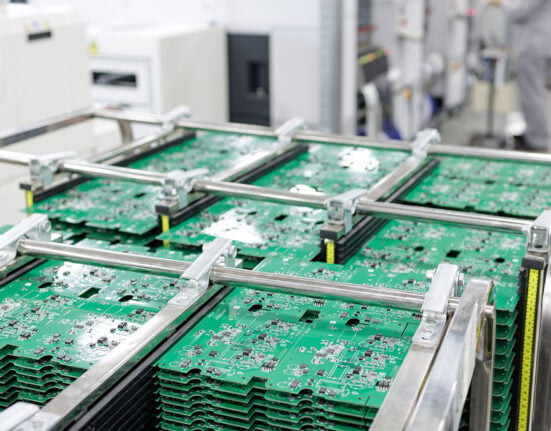






Global electronics production relies on a tightly synchronised network of semiconductor fabrication plants, where a single power outage can disrupt output in real time. The industry operates with minimal inventory buffers and depends heavily on a limited number of high-capacity fabs to sustain continuous supply.
When one facility experiences downtime, the impact spreads rapidly, creating bottlenecks and destabilising production timelines across multiple sectors. This level of interdependence leaves little room for recovery without significant economic and operational consequences.
Why semiconductor fabs are highly sensitive to power interruptions
Advanced semiconductor nodes rely on continuous, uninterrupted processing across stages such as extreme ultraviolet (EUV) lithography and deposition, where minor instability can disrupt tightly sequenced operations. For example, EUV lithography systems consist of over 100,000 individual components and consume around 10 times more electricity than earlier generations, which makes them highly sensitive to power fluctuations.
These processes take place in ultra-clean environments with strictly controlled temperature and particle levels to preserve precision at the atomic scale. Silicon, a widely used semiconductor material, requires doping to become electrically functional. When power interruptions occur, they can alter process conditions and render entire batches of wafer unusable.
Immediate operational consequences of a power outage
In-process wafers become unusable when fabrication cycles are interrupted, as each step depends on precise timing and stable conditions that cannot be paused or resumed without defects. Sensitive tools often require recalibration or repair after sudden shutdowns because abrupt power loss disrupts alignment and thermal equilibrium.
Restarting operations involves time-sensitive procedures, including contamination checks and gradual stabilisation of clean room environments. These delays extend downtime and compound material losses, which impact global electronics production. Even short interruptions can translate into significant yield loss and extended recovery timelines across the facility.
How power outages disrupt global electronics production
Limited fab capacity leaves little flexibility in the system, so any disruption quickly amplifies delays across multiple industries that depend on the same production lines. When a power outage halts output, shortages emerge in automotive chips and industrial systems, where small components can stall entire product assemblies.
Supply constraints then drive up costs and extend delivery timelines, as manufacturers compete for limited inventory and adjust pricing to reflect scarcity. This is evident in late 2025, when dynamic random access memory prices surged as demand from artificial intelligence data centres outpaced available supply. It created a clear imbalance between production capacity and market needs.
3 ways to prevent power outages in semiconductor fabrication plans
Preventing power outages in semiconductor fabrication plants requires a proactive approach that aligns infrastructure resilience with operational precision. Advanced facilities invest in layered power protection and predictive systems to ensure uninterrupted production.
1. Redundant power infrastructure
Semiconductor fabrication plants rely on uninterruptible power supplies and dual-grid connections to maintain continuous operations and protect sensitive processes from sudden disruptions. These layered power systems provide immediate backup and stabilise electricity flow during fluctuations or outages.
Fewer process interruptions result in fewer scrapped wafers and higher usable output, which improves yield and efficiency. This level of reliability supports consistent production and helps sustain global electronics production. It also enables fabs to meet strict delivery timelines despite increasing demand and capacity constraints.
2. Advanced energy management systems
Advanced energy management systems combine real-time monitoring and automated load balancing to maintain stable power conditions across semiconductor fabrication plants. These systems continuously analyse electrical signals and equipment behaviour to detect irregularities before they escalate into failures.
Convolutional neural networks enhance this capability by processing complex sensor data to identify abnormalities and pinpoint key failure modes within highly intricate processes. This proactive approach improves response times and strengthens overall operational resilience.
3. Grid collaboration and stability planning
Semiconductor fabrication plants coordinate closely with utility providers to secure priority power access and maintain grid stability during peak demand or disruption events. These partnerships enable dedicated supply agreements and enhanced visibility into grid conditions.
As a result, fabs can reduce the risk of unexpected outages and ensure more consistent power delivery for critical operations. Utilities may also implement infrastructure upgrades or redundant feeder lines to support high-demand facilities. This level of coordination strengthens resilience and helps prevent disruptions that could impact electronics production.
Strengthening power resilience to protect global electronics production
Even a single fab outage can trigger widespread disruptions. Semiconductor manufacturing capacity remains highly concentrated, which places global electronics production at significant risk. Proactive power management and resilience strategies are critical to maintaining operational stability and preventing cascading supply chain impacts.
Industry stakeholders must prioritise infrastructure investments to safeguard production continuity and ensure long-term reliability.