




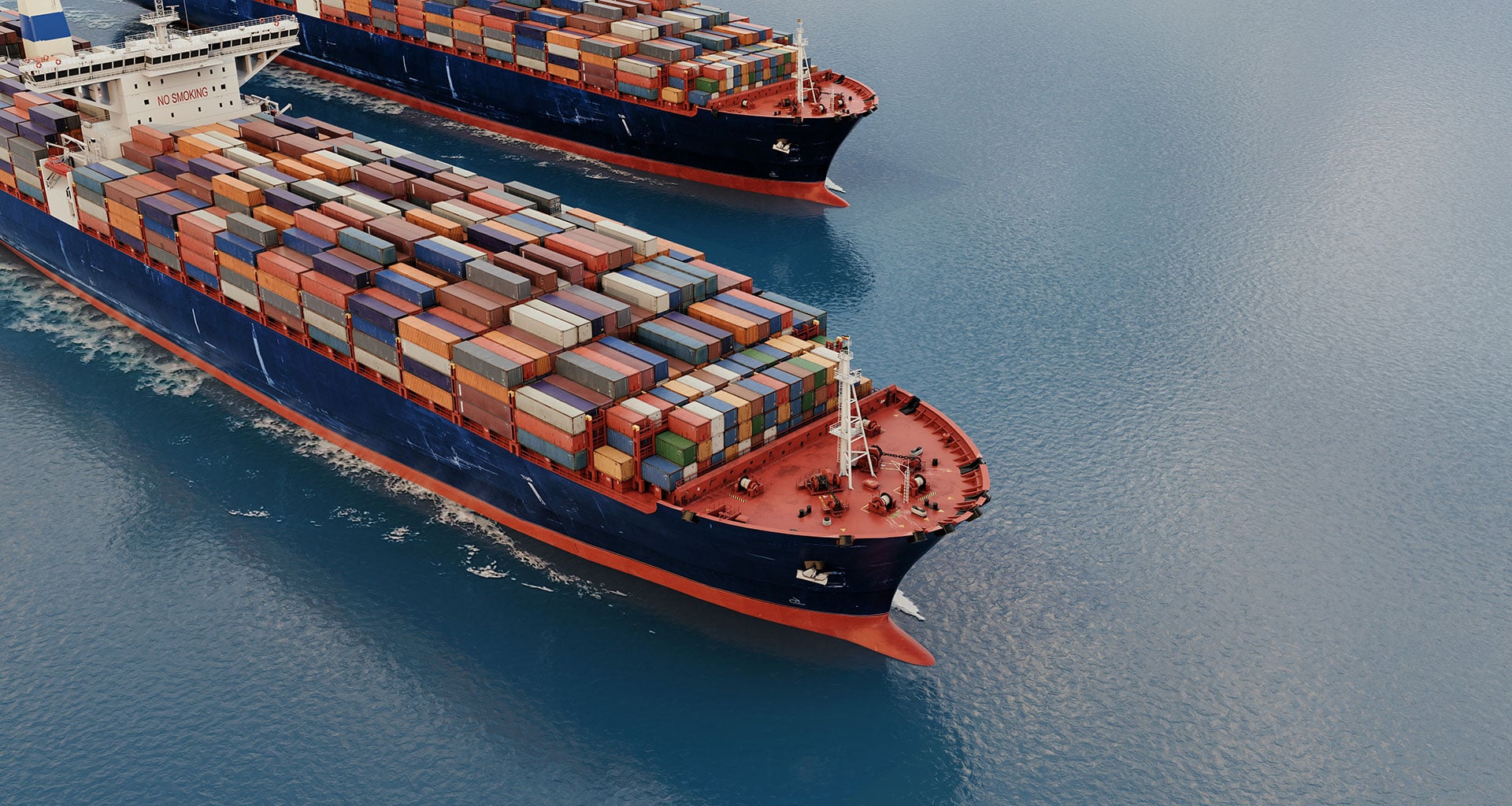
Managing a supply chain is not for the faint-hearted. Geopolitical tensions, extreme weather, and piracy are continual challenges, and there are the unanticipated events like some bloke parking his container ship broadside in the Suez Canal.
Carolyn Park is the Vice President, Supply Chain Optimisation at RS Group and recognises all these obstacles. She tells Mick Elliott how RS has built residence into it supply chain.
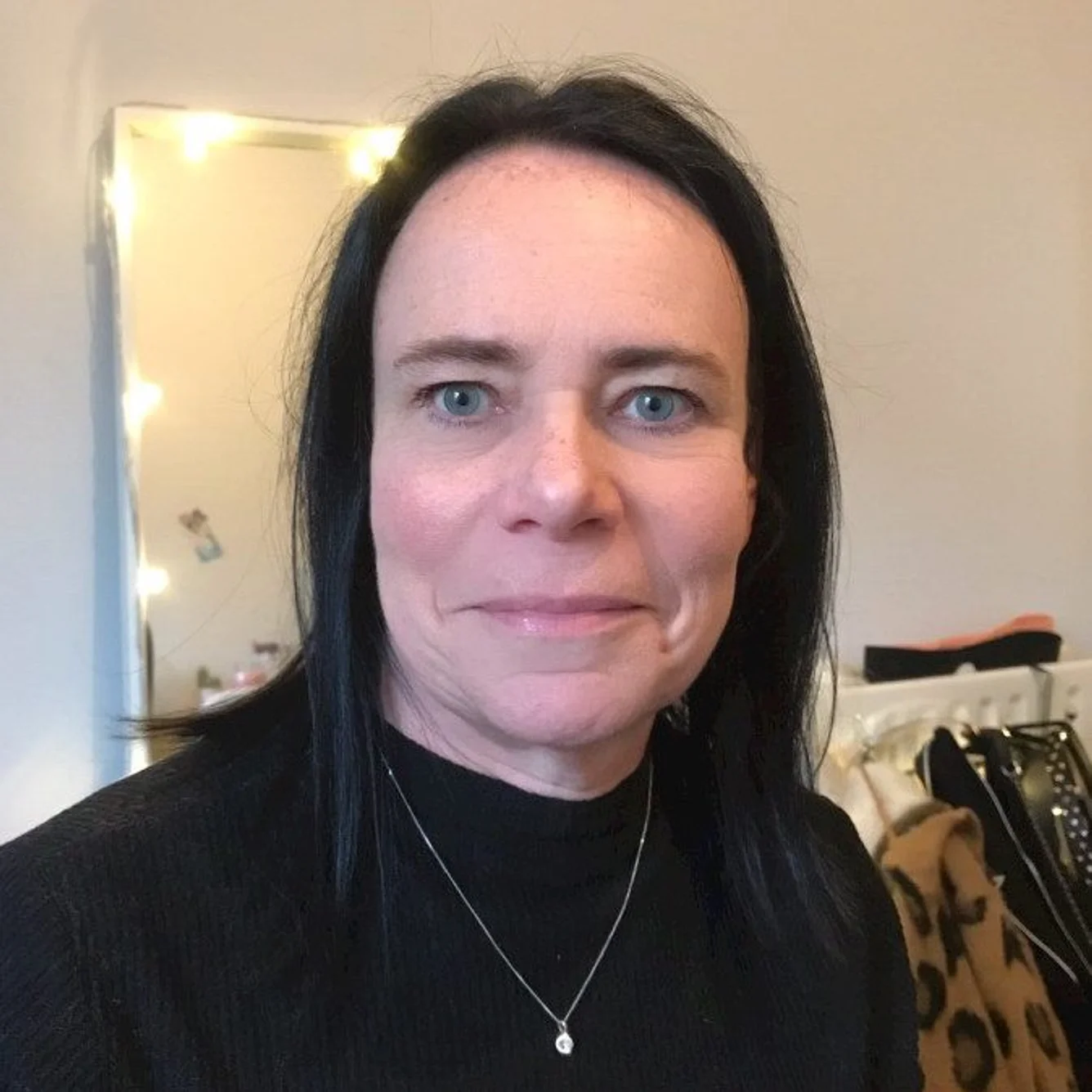
“Most probably one of the most significant risks we see at the moment around logistics challenges is the potential kind of disruption events that are happening with the geopolitical pressures, climate related change, and everything else. The risk of what is coming and those cost pressures means we maintain what I’d call a multi echelon supply chain. So we have a number of different scale of distribution centres that can hold products across the ranges,” says Park.
“Some of them are global distribution centres that will hold a much higher percentage of the product range and then local distribution centres that will supply into the local markets. Behind that we have a solution that allows us to switch supply routes if there was to be an issue somewhere in that supply chain. So in Europe, we have UK and Germany as the big hubs and then we also have local hubs in France, Italy, Spain, and Ireland, and now a local hub in Switzerland through the acquisition of Distrelec.
“And then in Asia, for example, we have a number of what I’ll call much smaller, very local distribution centres,” Park continues. “So for example, in Southeast Asia, in Thailand, Philippines, Malaysia, Singapore, and Hong Kong those local distribution centres vary in size depending on the market.”
These options provide a resilience if there is a glitch in the supply chain.
Park gives an example: “If we had an issue in a particular distribution centre in Italy we have the capability to switch the supply off in Italy and automatically use the rest of the network to provide that resilience across the supply chain. We used it, for example, in COVID where Italy actually shut down. We were able to supply customers through other routes.
“Our climate risk assessment includes that kind of ability to move products around the network or move the supply across the network.
“Extending slightly on that, we also have a pretty sophisticated network modelling tool and we have a digital twin that allows us to mirror the history of what’s happened over the last three to five years and [we] use it to model future scenarios.
“So, it allows us to understand where we think the demand will be in the future and therefore scale the supply chain to that future requirement. A particular focus at the moment is around how can we service as much of our customers from the local network as possible, partly because of sustainability and carbon, and partly because it’s actually better for the customer in terms of that next day delivery service.”
RS profiles its inventory for customers being supplied from one of the local distribution centres.
“We use a solution called Blue Yonder, which is our inventory management solution and that has two parts to it,” explains Park. “It has a demand engine which we use to predict future demand. It is basically a forecasting engine and that either uses past history to predict the future, or our local teams, for example can input demand. So, if for example, we were to sign up a new customer and we knew that was going to impact the local demand significantly, we can tell the system that.
“Or if the local team were running a particular marketing campaign, we can input that to say we’ll expect to have an uplift in this particular product range.”
RS supplies products ranging from semiconductors to bulkier products like test and measurement instruments. So how does it work with its suppliers on getting the product into the right distribution centre?
Park responds: “Our Blue Yonder solution effectively generates the purchase orders for our suppliers and we separately have sourcing routes set up. So for each supplier there will be predetermined sourcing routes as to where that product stocks. Historically we’ve been UK centric and typically products came into the UK and then we redistributed them,” adds Park. “What we’re now doing is working on how we can bring products in more to where the demand is. So there’s a number of suppliers recently that we’ve shifted to supply directly into Europe, particularly into our German distribution centre where we have expanded capacity.
“That is an ongoing project that we intend to push through more over the next two to three years in terms of sourcing closer either to where our suppliers are or where our customers are.”
Could RS work with some suppliers, especially those supplying bigger pieces of kit, to deliver direct to customers?
“It’s on our road map,” says Park. “Today we don’t have that capability, but it is absolutely on our road map to do that. And also, we’re doing some work at the moment with our Asian team, particularly for what we call big and heavy to source that locally in Asia, because otherwise we’re bringing it in into Europe and then shipping it over to Asia. So that’s a particular focus for the Asia business at the moment.”
RS works closely with its logistics providers, and ensures they align with the Group’s environmental targets, alongside providing a reliable service.
Says Park: “The vast majority of our logistics providers are third party and our strategy is to work with more of the big players for our international movements or bulk movements. So we will run selection processes, and part of our selection process is their sustainability credentials. So we’re constantly talking to them about how we do it in the most sustainable way, looking at their track record.
“When we get to supply into local markets, we would work with local logistics providers,” adds Park. “Sometimes they will be one of the big ones. So, for example in the UK we use DHL to do our logistics. Sometimes the best provider in the local market might be independent.
“But again,” emphasises Park, “every selection of those is based on their ability to support our sustainability credentials, but also our resilience. So, we expect them to have resilience in their network and that’s part of the selection process and that’s predominantly because our next day offer and our delivery promise is so important to us because of our customer base and delivering MRO products. It’s really important that we get an extension of the brand through into our delivery provider.”
This article originally appeared in the March/April issue of Procurement Pro