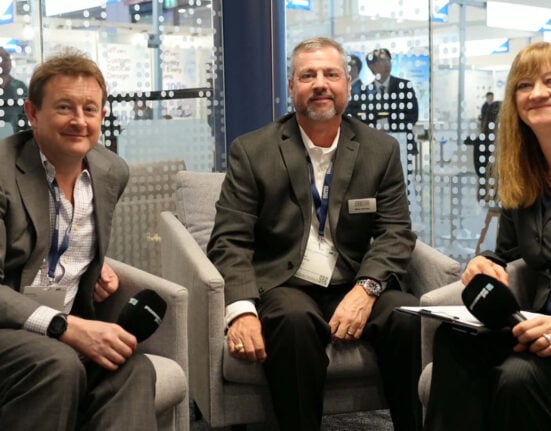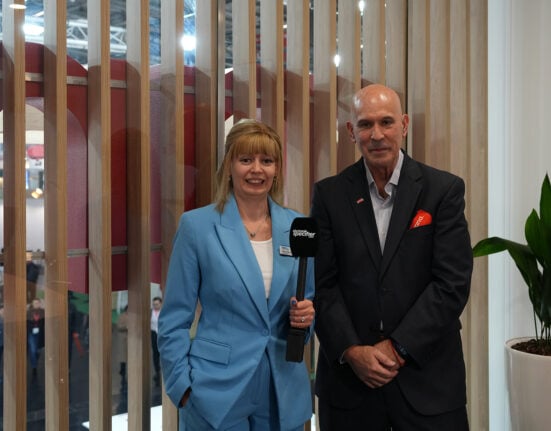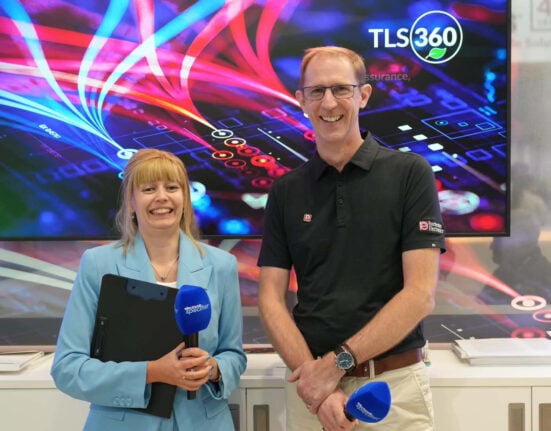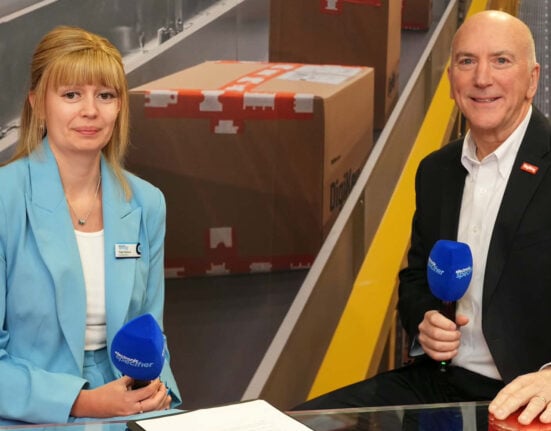





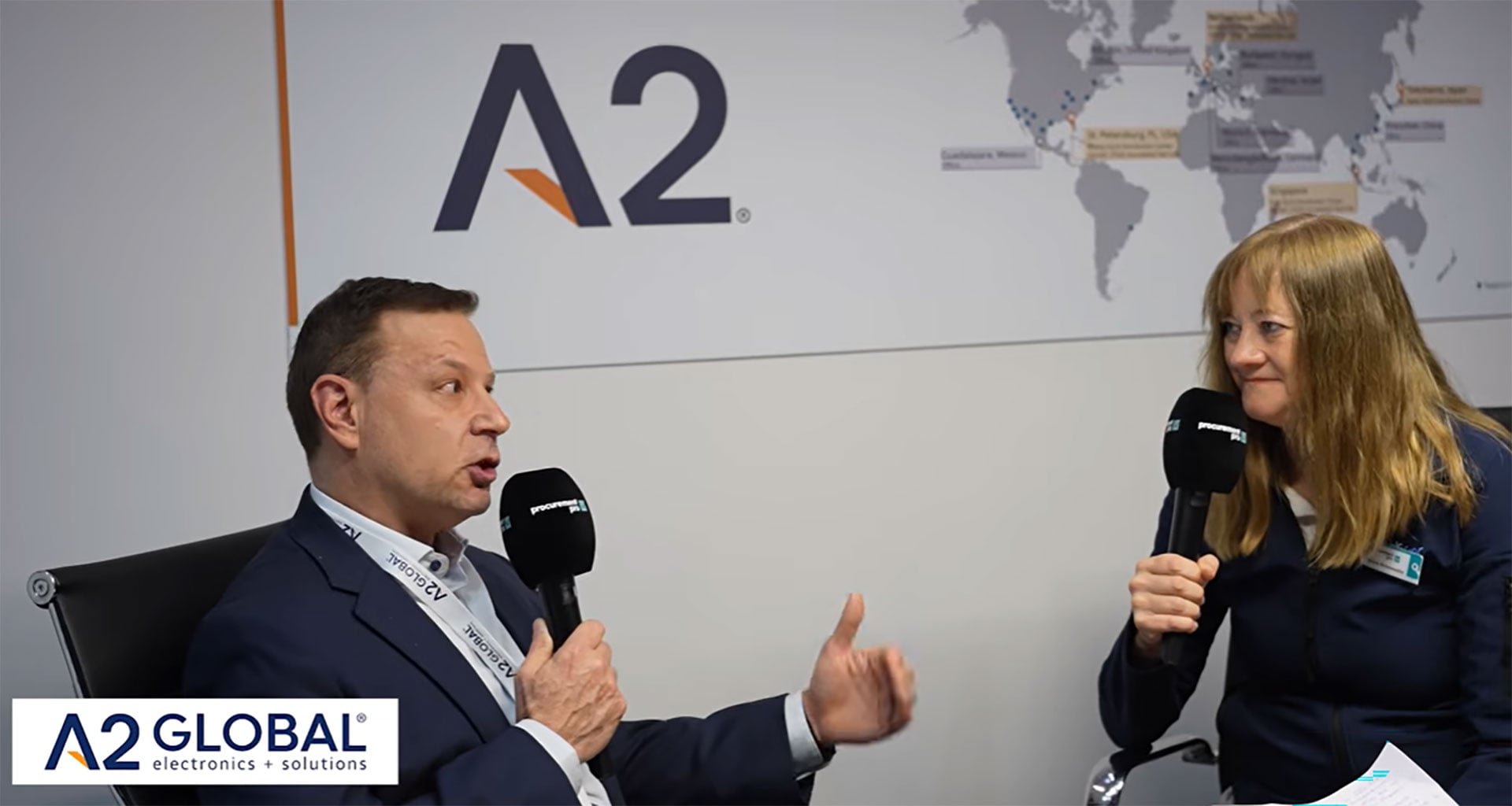
At electronica 2026, Procurement Pro’s Lucy Barnard spoke with Frank Cavallaro, CEO of A2 Global Electronics + Solutions, about why today’s component shortage is unlike any before it, and what buyers can do to protect themselves.
Frank Cavallaro is marking 35 years in electronics distribution this year, most of them at companies with a strong service and technology focus. He now leads A2 Global Electronics + Solutions, which he describes as “a global distributor of electronic components” that also provides aftermarket services on those components for its customers.
Supply and demand imbalances have been a constant throughout his career. What is different now, he told Barnard, is that this one may not correct itself.
Not a cycle, but a structural shift
“Usually, on a historic basis, your cyclical supply and demand imbalances are remedied over time,” Cavallaro explained. “However, this year, due to the hyperscaler and the neocloud buildout, it’s more of a secular change.”
Technology manufacturers, he said, are moving not only their production but “all of their technology skill sets” towards AI and the hyperscalers. That is creating “a tremendous void” for A2’s customers, who are primarily industrial, including those supplying connectivity into the hyperscalers, along with defence and aerospace.
“In previous cyclical changes, we’ve seen it come back. This time it’s really an unknown,” he said. For customers and for A2 alike, that uncertainty is now the biggest challenge.
Far beyond memory
Memory shortages and rising prices are “very serious”, Cavallaro said, as production swings towards memory built for high-bandwidth compute. But the squeeze goes much wider. “Fabs are now gearing up towards all the silicon that needs to go into that high-bandwidth compute,” he said, leaving a hole for customers working on power, storage and RF, with FPGAs also affected.
At the start of the year, many buyers responded by stockpiling. “The reality of the situation is it’s scarce. So even their ability to hold has gone away,” he said. Instead, customers are turning to trusted third parties like A2 “to find, source, test, and deliver the products they need”.
On price, A2’s approach begins with a conversation and an exchange of information. From that, it builds a picture of each customer’s manufacturing patterns and price sensitivity, then sources, sells, and tests on their behalf around the clock in all the major markets.
Cavallaro draws a sharp line between the consistent buyer and what A2 calls the “critical buyer”, who comes in and out of the market. “No one’s going to get an optimal price in these types of markets,” he said. “But if you can keep a containment strategy by being a consistent buyer versus a critical buyer, you’re going to do better than everybody else does.”
The same data-led approach applies to parts still available today that may become scarce. A2 has kept customers informed throughout 2026 and is already planning with them almost to mid-2027.
Counterfeits and geopolitics
With buyers looking beyond their usual distribution channels, the risk of fake or substandard parts rises. Substandard components have historically been “one of the big boogeymen in our industry”, Cavallaro said. As a defence and aerospace supplier, A2 has developed a series of authenticity testing and screening to make sure the products it ships meet customers’ standards.
Geopolitical tension, meanwhile, is “the new normal”. “I don’t want to call it the perfect storm in the space right now, but it’s somewhat like the perfect storm,” he said: supply imbalances, a secular shift of capacity towards neocloud and hyperscale, all “wrapped in geopolitical tensions really in every major market we’re in”.
Planning for 2027: optionality and resilience
Most of A2’s customers are already looking ahead, and Cavallaro’s message is clear: “Let’s start planning for 2027 now.”
That means reviewing the critical parts list and talking to the wider supply base to get a firm handle on if, and when, deliveries will arrive. Where there is a chance of disruption to manufacturing, in any region, customers should share that information early so A2 can help them map out a second strategy.
“I know these have become buzzwords, but I’m going to tag along with it,” he said. “We’re really trying to build in with our customers optionality and resilience. Those are the two big buzzwords in the supply chain space right now. And it’s true.”